Rewinding machines
Semi-automatic vs fully automatic stretch film rewinding machines
Written by Öncümak Engineering Team3 min read
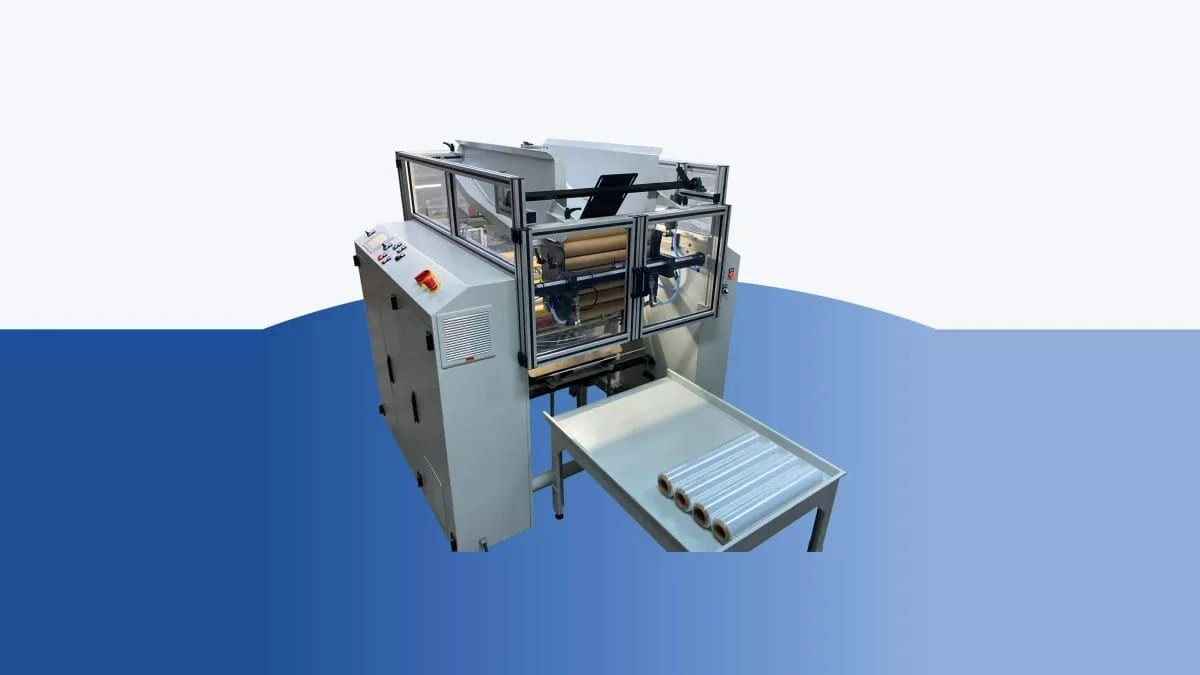
In short
A semi-automatic rewinder winds the film by itself, but at every roll change an operator has to cut the film, take off the finished roll and fit a new core. A fully automatic rewinder does all of that on its own, without stopping. The difference shows in output per shift, labour, roll consistency and price.
All topics
Stretch film basics
- What is stretch film?
- Hand vs machine stretch film: what's the difference?
- What is pre-stretched film?
- What is coreless stretch film?
- PE stretch film vs PVC cling film: what's the difference?
- Is stretch film recyclable?
- Where is slit stretch film used?
- Black and coloured stretch film: what is the colour for?
- Why stretch film tears, breaks or does not cling, and how to fix it
- How to wrap a pallet with stretch film
- How many pallets does a roll of stretch film wrap? Film use and cost per pallet
- Stretch film vs shrink film: what is the difference?
- How to use coreless stretch film: handles, dispensers and wrapping machines
- When is pre-stretched film not the right choice?
- How to measure the pre-stretch on a pallet wrapper
- Stretch hood vs stretch wrap: which one fits your pallets?
- How wrapped pallets are tested: load stability and EUMOS 40509
- Recycled content (PCR) stretch film and plastic packaging taxes
- How to store stretch film: temperature, humidity and shelf life
- One-sided vs two-sided cling stretch film
- UV-resistant stretch film for outdoor storage
- Stretch film for moving house: how to wrap furniture and boxes
- Slit stretch film, strapping or tape: which one for bundling?
- Which width for which product? Slit stretch film rolls and dispensers
Advice & investment
- How to choose a stretch film rewinding machine
- How to calculate stretch film roll length and weight
- Stretch film thickness: what do the microns change?
- How much does a stretch film rewinding machine produce?
- How to start a stretch film rewinding business
- How to choose jumbo rolls for stretch film rewinding
- What determines the price of stretch film?
What both machines do
Both types unwind a jumbo roll and rewind the film onto smaller rolls, stopping at a preset length or weight. The winding itself is automatic on both. The difference is what happens at the end of each roll, and a rewinder finishes a roll every few seconds or minutes, all day long.
Semi-automatic rewinders
At the end of every roll the operator:
- stops or slows the machine,
- cuts the film,
- removes the finished roll,
- slides a new core onto the shaft,
- fixes the film end to the new core (by wrapping it round by hand or with adhesive) and restarts.
The machine takes care of length counting and winding speed; on simpler models the jumbo roll is also centred by hand. Winding speeds vary by model; what limits the output is the time lost at every roll change.
Fully automatic rewinders
When the set length is reached, a fully automatic rewinder cuts the film with a flying knife, takes a new core from its core magazine, catches the film on it (a static charger helps the film grip the core) and ejects the finished roll, without stopping the line. The operator's job becomes loading jumbo rolls and cores, and packing.
All Öncümak rewinders are fully automatic. The SR-1500, for example, runs at up to 1210 mt/min, holds 100 paper cores (Ø50 mm) in its magazine and produces three 200 m rolls per minute.
Side by side
| Semi-automatic | Fully automatic | |
|---|---|---|
| Roll change | By the operator; the machine stops | Automatic, without stopping |
| Time per roll change | From tens of seconds to a few minutes, depending on the operator and the roll | A few seconds |
| Operators | One person per machine, all the time | One operator can run two machines at the same time |
| Roll consistency | Depends on the operator (film end, tension set by hand) | Repeatable: PLC and servo tension control |
| Machine speed | Varies by model | 1100–1510 mt/min in the Öncümak range |
| Investment | Lower | Higher |
| Best for | Small batches, frequent spec changes, low volumes | Continuous production, standard rolls, higher volumes |
How much does it change output?
A simple way to compare is rolls per hour = 3600 ÷ (winding time + changeover time), where winding time = roll length ÷ speed.
- Semi-automatic example: even at the same 1210 mt/min as the SR-1500, a 200 m roll takes about 10 s to wind. With a 30 s manual changeover, one roll takes about 40 s, or about 90 rolls per hour, if the operator never pauses.
- Fully automatic example: the SR-1500 finishes three 200 m rolls per minute, which is 180 rolls per hour.
The shorter the roll, the more the changeover dominates. That is why automation matters most for short hand rolls, and less for long machine rolls that are changed less often.
Which one to choose?
Advantages
- Semi-automatic: lower investment, simple to run, flexible for short runs of many different specs
- Fully automatic: much higher output per shift, fewer operators, consistent rolls, less film waste at roll changes
Disadvantages
- Semi-automatic: output limited by the operator, labour cost per roll, roll quality varies
- Fully automatic: higher purchase price; pays off only with enough volume
If you sell standard rolls in steady volumes, a fully automatic machine usually pays for itself through output and labour. For a step-by-step choice, see how to choose a stretch film rewinding machine.
Related machines
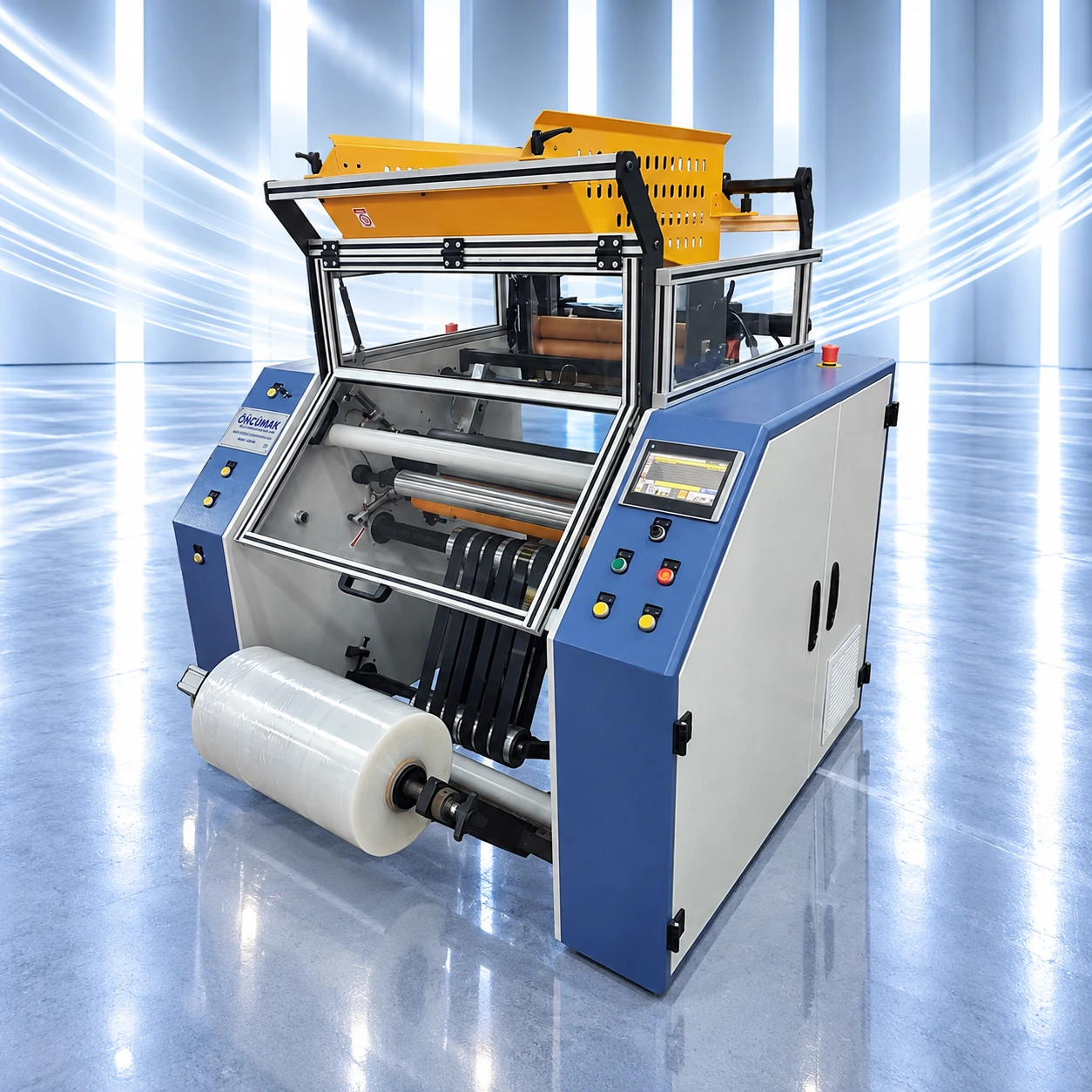 SR-1500Conventional Stretch Film RewindingView machine
 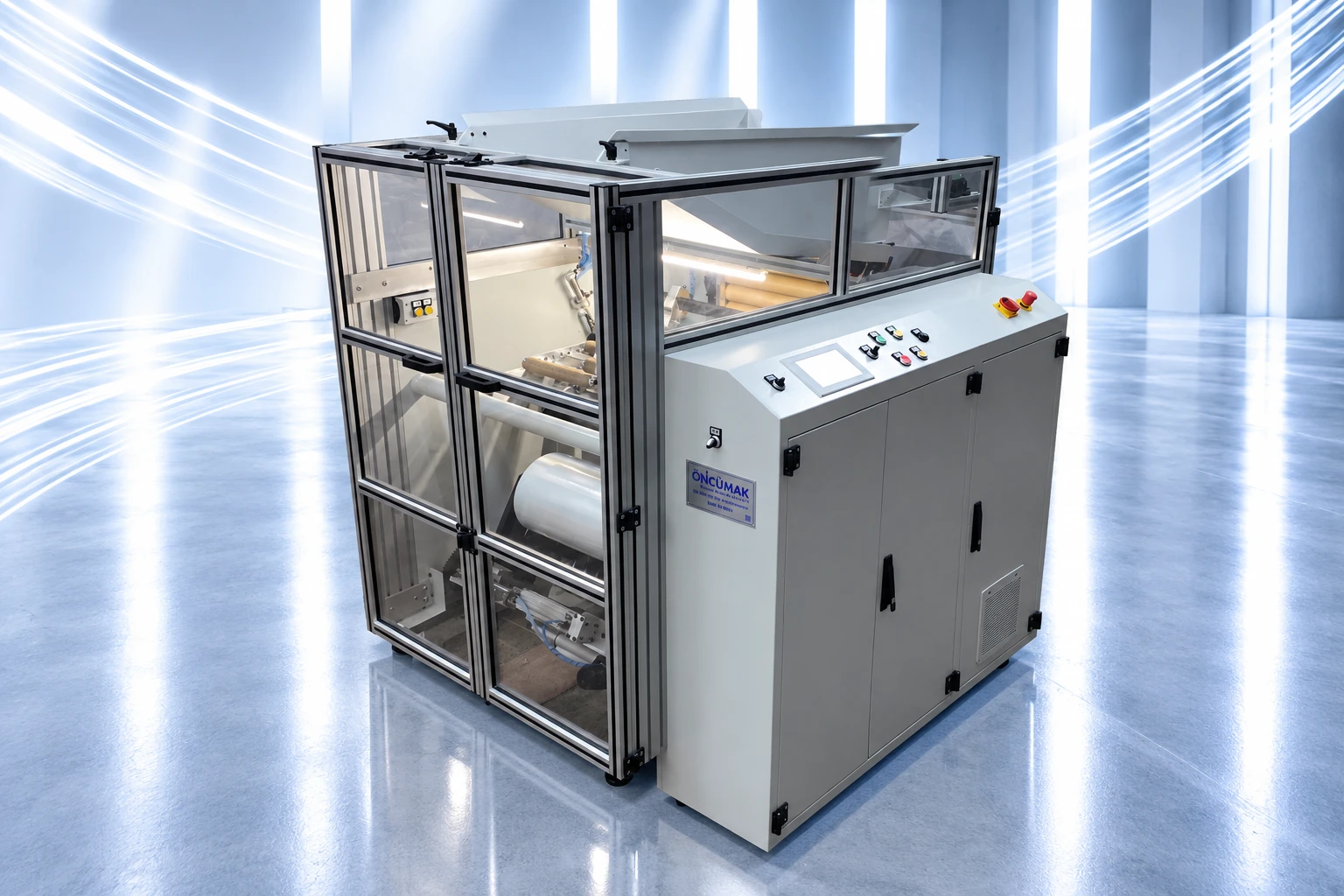 SM-1300 LStretch Film Rewinder & SlitterView machine
 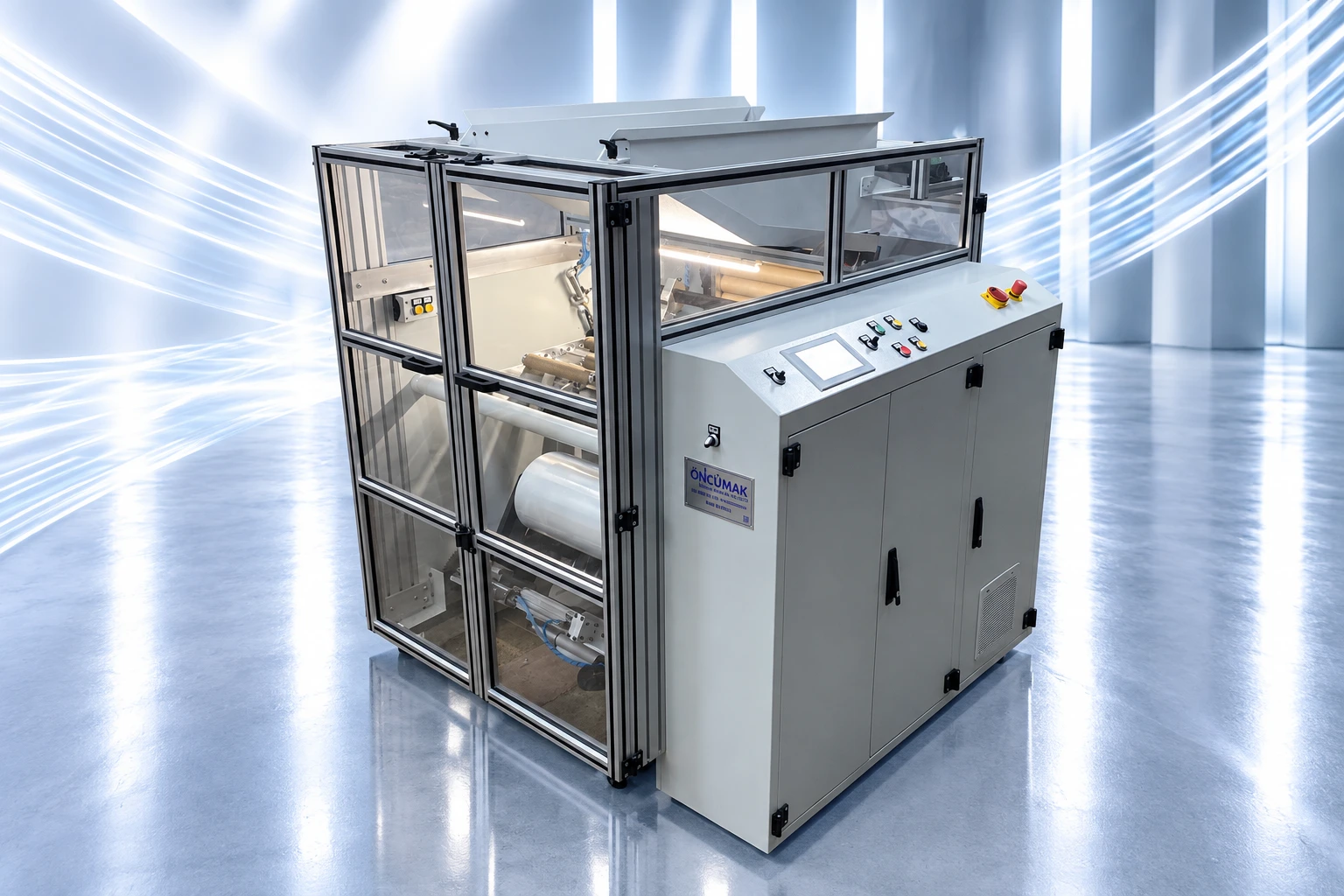 SM-1300 2SDual-Servo Stretch Film Rewinder & SlitterView machine
 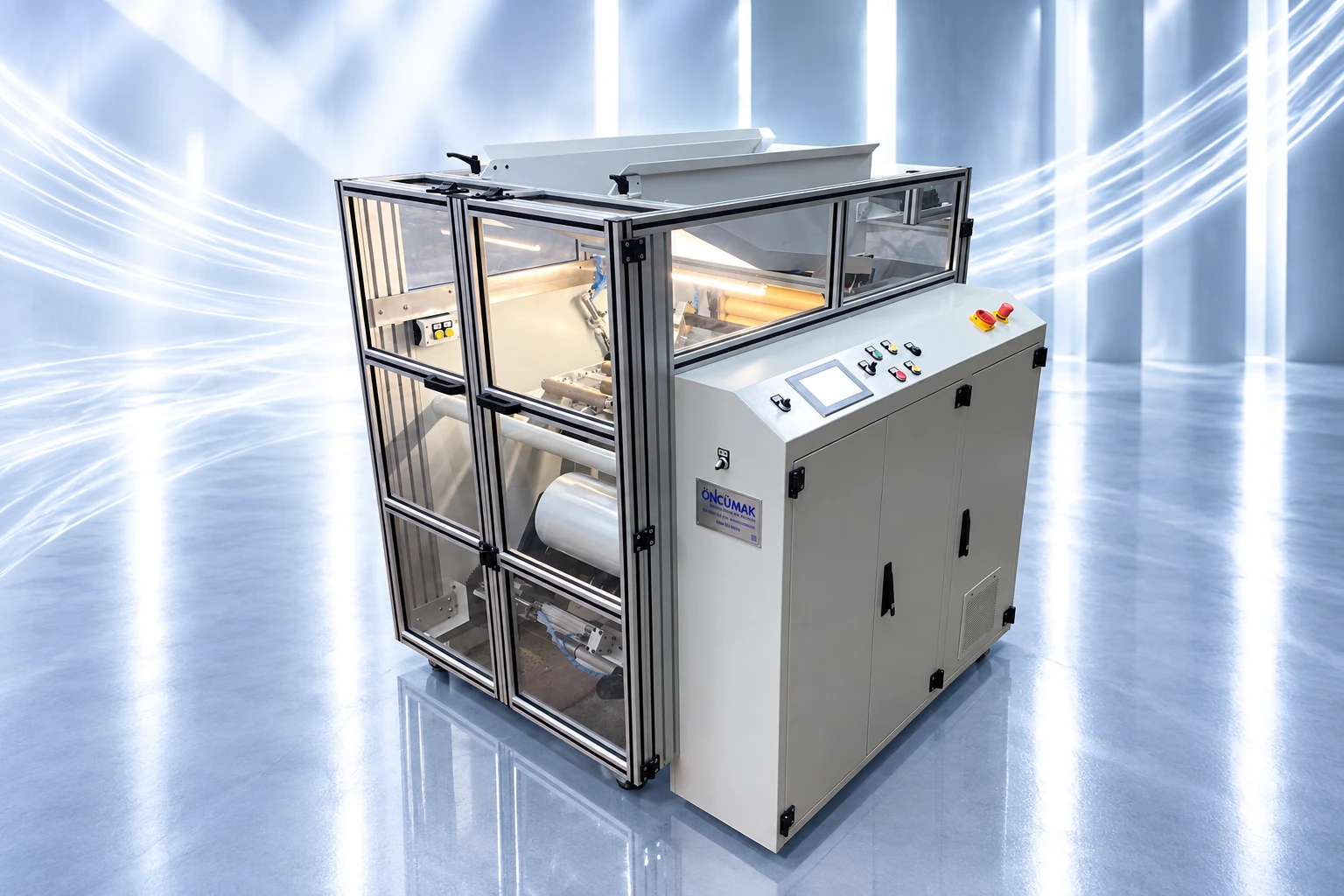 SM-1300 2S PROHigh-Performance Dual-Servo Stretch Film SlitterView machine
 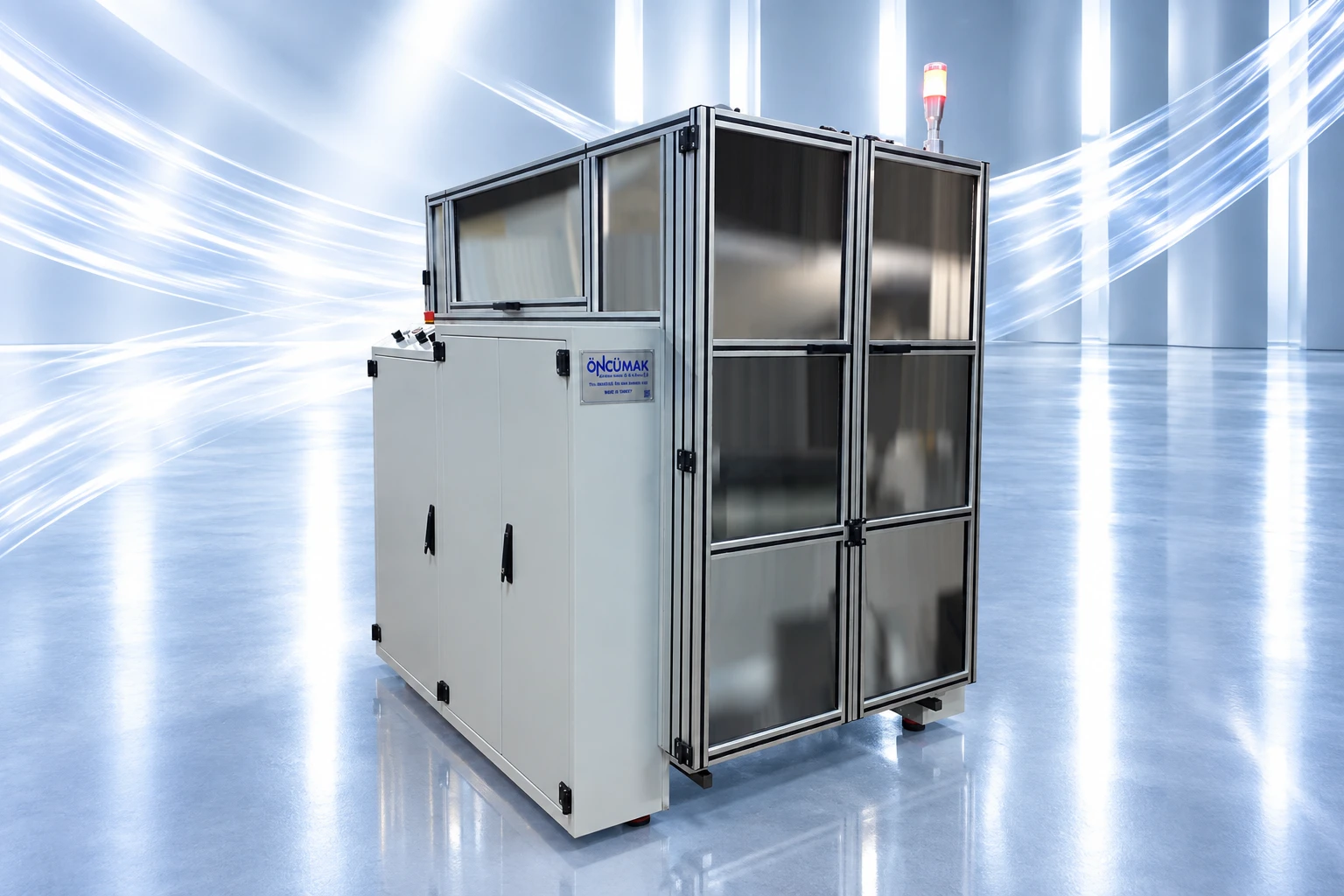 SP-1400Pre-Stretch Film RewinderView machine
 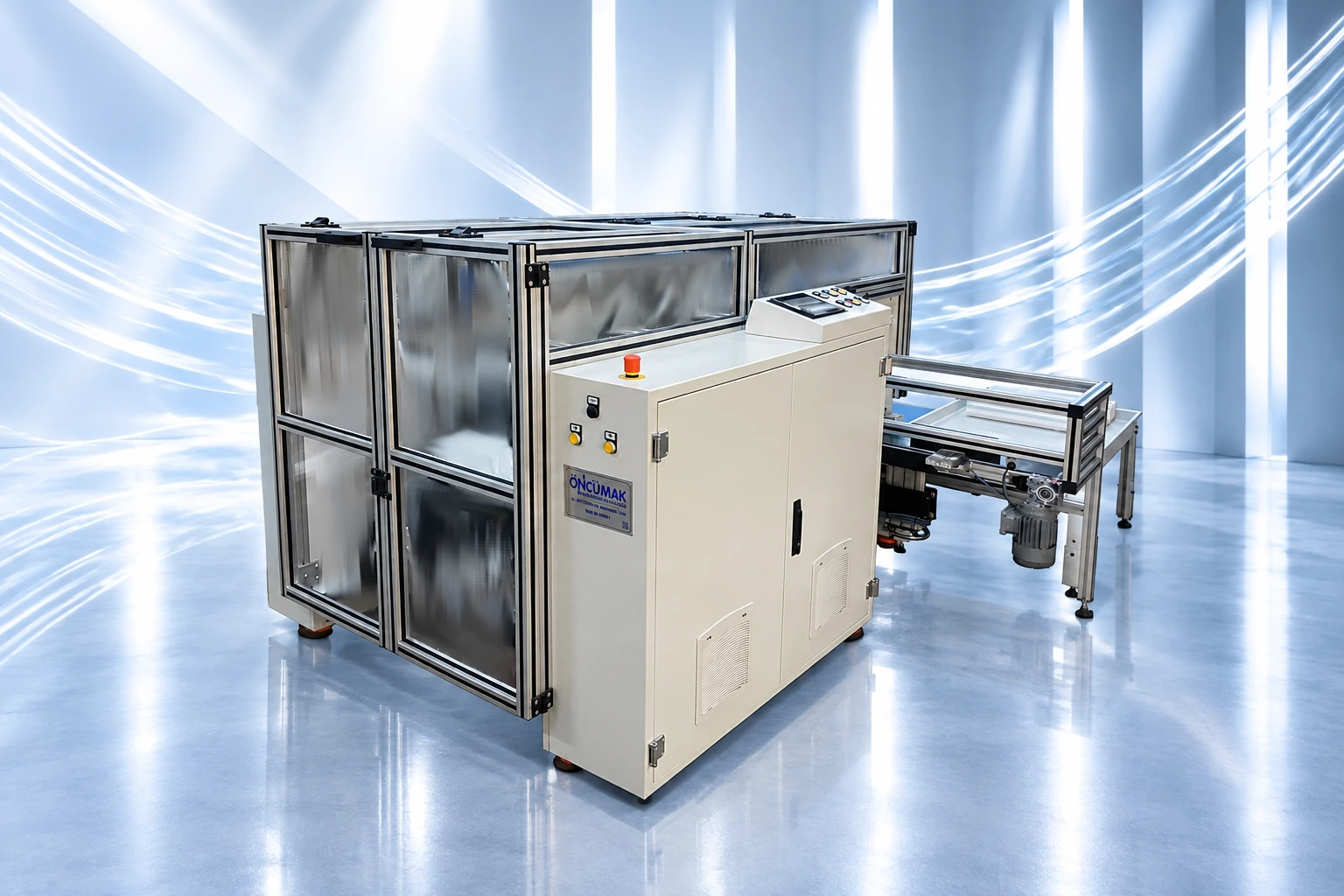 CR-1700Coreless Stretch Film RewinderView machine
- What is a stretch film rewinding machine?A stretch film rewinding machine unwinds the large jumbo rolls that come from film producers and rewinds the film onto smaller rolls ready for sale, in the length, weight and core size the market needs. Depending on the model it can also slit the film, pre-stretch it or wind rolls without a core.
- Stretch film rewinding machine vs stretch wrapping machineA stretch film rewinding machine makes rolls of stretch film; a stretch wrapping machine uses those rolls to wrap pallets. They sit at different points of the same chain: film production, then rewinding into sellable rolls, then wrapping at the end user.